Explore 23 Fun Facts About UK Law and History

The United Kingdom boasts a rich legal history filled with unique laws and fascinating facts. From medieval times to modern-day reforms, UK law has evolved dramatically, shaping the legal landscape we know today.
In this article, we will explore 23 fun and intriguing facts about UK law that highlight its quirks and developments.
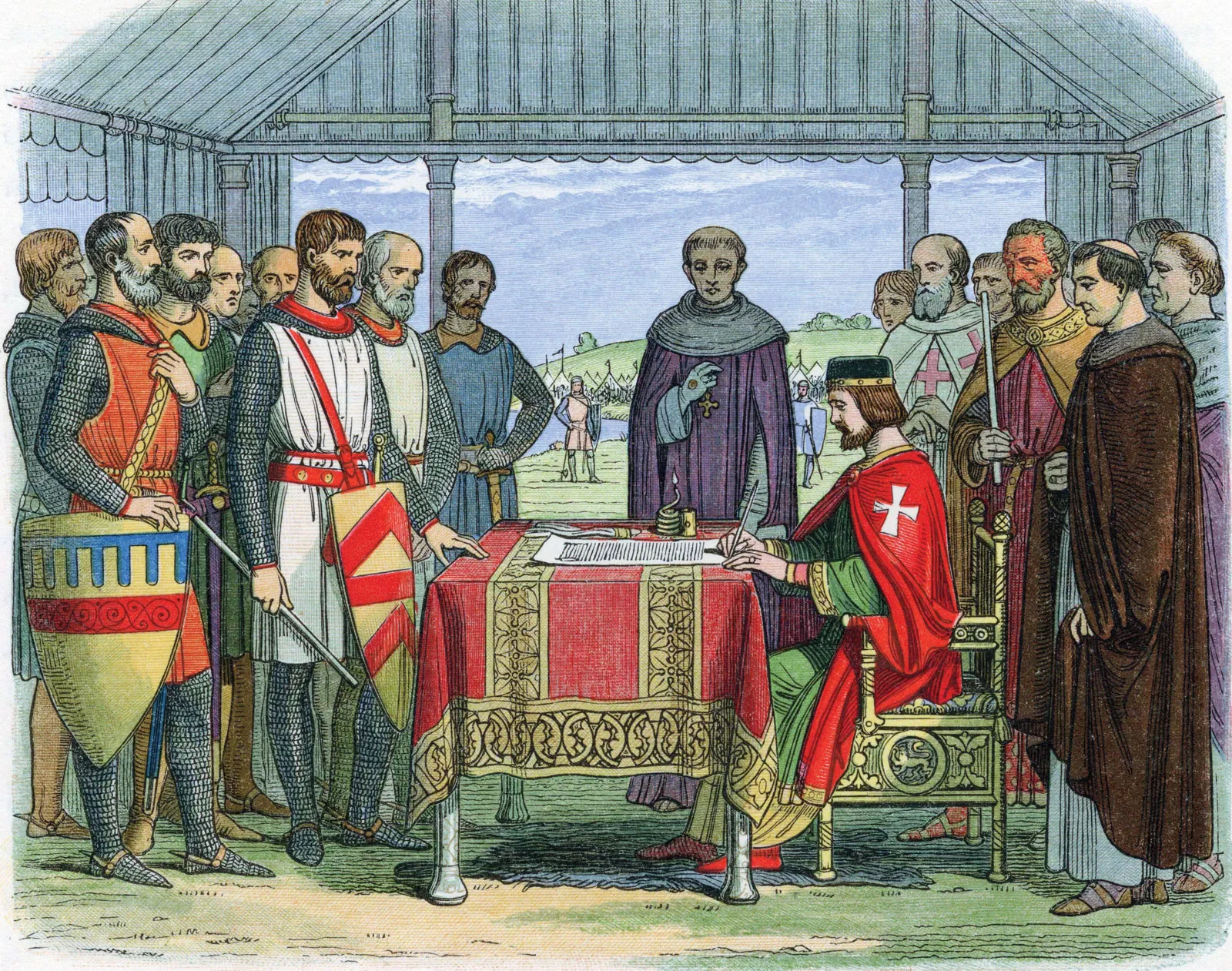
1.The Magna Carta
The Magna Carta, signed in 1215, is one of the most important documents in UK history. It established the principle that everyone, including the king, was subject to the law, laying the foundation for modern democracy.
2.The Bloody Code
In the 18th century, the UK had a set of laws known as the Bloody Code, which listed over 200 offences punishable by death. Crimes as minor as stealing could result in the death penalty, illustrating the harshness of the era.
3.Witchcraft Laws
Witchcraft was considered a serious crime in the UK until the Witchcraft Act of 1735, which made it illegal to claim that any human had magical powers. This act shifted the perception of witchcraft from a criminal offence to a fraudulent act.
4.Trial by Ordeal
During medieval times, trial by ordeal was a common practice where the accused would undergo painful and dangerous tests to determine their innocence or guilt. These ordeals were believed to be divinely guided, reflecting the period's strong religious influence.
5.Common Law
The UK is known for its common law system, which relies on precedent set by previous court decisions rather than written codes. This system allows for laws to evolve over time based on judicial rulings.
6.The Old Bailey
The Central Criminal Court in London, known as the Old Bailey, has been the site of numerous famous trials, including those of Oscar Wilde and the Kray twins. It remains a symbol of British justice.
7.Royal Assent
Before a bill becomes law, it must receive Royal Assent from the monarch, a formality that has not been refused since the early 18th century. This practice underscores the UK's blend of tradition and modern governance.
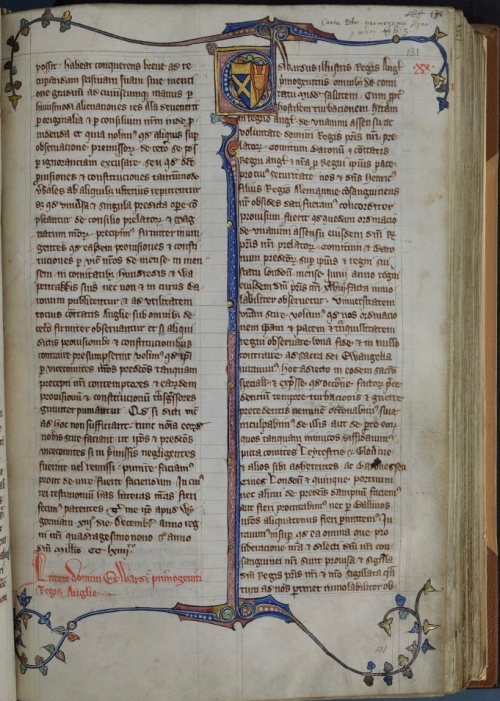
8.The Statute of Marlborough
Enacted in 1267, the Statute of Marlborough is the oldest piece of legislation still in force in England. It includes measures to prevent the mistreatment of tenants by landlords, reflecting early legal protections for the vulnerable.
9.Legal Education
In the UK, the path to becoming a solicitor includes rigorous education and training. The Solicitors Qualifying Examination (SQE) is a recent introduction to standardise this process across England and Wales. For guidance on legal education and training, resources like the FQPS SQE1 Preparation can be invaluable.
10.The House of Lords
The House of Lords used to be the highest court in the UK until the establishment of the Supreme Court in 2009.This change modernised the UK's judiciary and separated legislative and judicial powers more clearly.
11.The Law of Chivalry
Medieval knights were subject to the Law of Chivalry, which dictated their conduct both on and off the battlefield. This code emphasised bravery, honour, and respect for women and the weak.
12.Habeas Corpus
The right of habeas corpus, which protects against unlawful imprisonment, was established in the UK in 1679. This principle is a cornerstone of individual freedom and justice.
13.Parliamentary Privilege
Members of Parliament have certain legal immunities to allow them to perform their duties without interference. This privilege ensures that MPs can speak and act freely in the interest of their constituents.
14.Jury Nullification
Juries in the UK can return a verdict of "not guilty" even if they believe the defendant is guilty, effectively nullifying the law in that case. This power serves as a check on legal and governmental authority.
15.The Inns of Court
The Inns of Court are professional associations for barristers in England and Wales, playing a crucial role in their training and regulation. These historic institutions date back to the14th century.
16.Legal Aid
The UK provides legal aid to ensure that individuals with limited financial means can access legal representation. This system aims to ensure fairness and justice for all, regardless of economic status.
17.The Police and Criminal Evidence Act 1984
This act established the powers and duties of the police, including procedures for arrest, detention, and interrogation. It introduced important safeguards against abuses of power.
18.Cyber Law
With the rise of the internet, the UK has developed comprehensive cyber laws to tackle online crime and protect digital privacy. These laws address issues such as hacking, data theft, and online harassment.
19.The Equality Act 2010
This act consolidated various anti-discrimination laws to promote equality and protect against unfair treatment based on characteristics like age, disability, and gender. It represents a significant step towards social justice.
20.Brexit and Law
The UK's departure from the EU has ledto significant legal changes, including the repatriation of laws previouslygoverned by EU institutions. This transition continues to shape UK law invarious sectors.
21.The Human Rights Act 1998
Incorporating the European Convention on Human Rights into UK law, this act provides a framework for protecting individual rights and freedoms. It allows UK citizens to seek redress for human rights violations in domestic courts.
22.Legal Reforms
The UK continuously evolves its legal system through reforms aimed at improving access to justice and ensuring fairness. Recent reforms have focused on modernising the court system and expanding digital access to legal services.
23.FQPS.co.uk - Supporting Legal Aspirants to become solicitors in England andWales
For those looking to navigate the complexities of UK law and pursue a career in the legal field, FQPS.co.uk offers invaluable resources and guidance. Visit FQPS.co.uk to learn more about legal qualifications and career pathways.
The UK's legal system is a tapestry of historical developments, intriguing laws, and modern reforms. These 23 fun facts offer a glimpse into the fascinating world of UK law, from its medieval roots to contemporary advancements.
Whether you're a legal enthusiast or an aspiring solicitor, the UK's legal landscape is rich with stories and opportunities.
FAQ:
What is the oldest law still in force in the UK?
The Statute of Marlborough, enacted in 1267, is the oldest piece of legislation still in force.
What is the SQE?
The Solicitors Qualifying Examination (SQE) is a new exam for qualifying solicitors in England and Wales. For more details, visit FQPS.co.uk.
What is habeas corpus?
Habeas corpus is a legal principle that protects individuals from unlawful detention.
Stay up to date
Never miss the latest SRA updates. Receive product updates, news and customer stories right into your inbox.

Keep reading
![1,000+ Free SQE1 Sample Questions MCQ [2026 Updated List]](/_next/image?url=https%3A%2F%2Fcdn.sanity.io%2Fimages%2F77h4lrsj%2Fproduction%2F1faab4fce69ffdd6ecf10237b7d76a5d362534f1-3206x1496.png&w=1920&q=75)
Last updated: 25 July 2026 — checked against the SRA's current sample-question bank, the January 2026 SQE1 statistical report, and every provider page linked below.
Read the article